
glass panels for sale
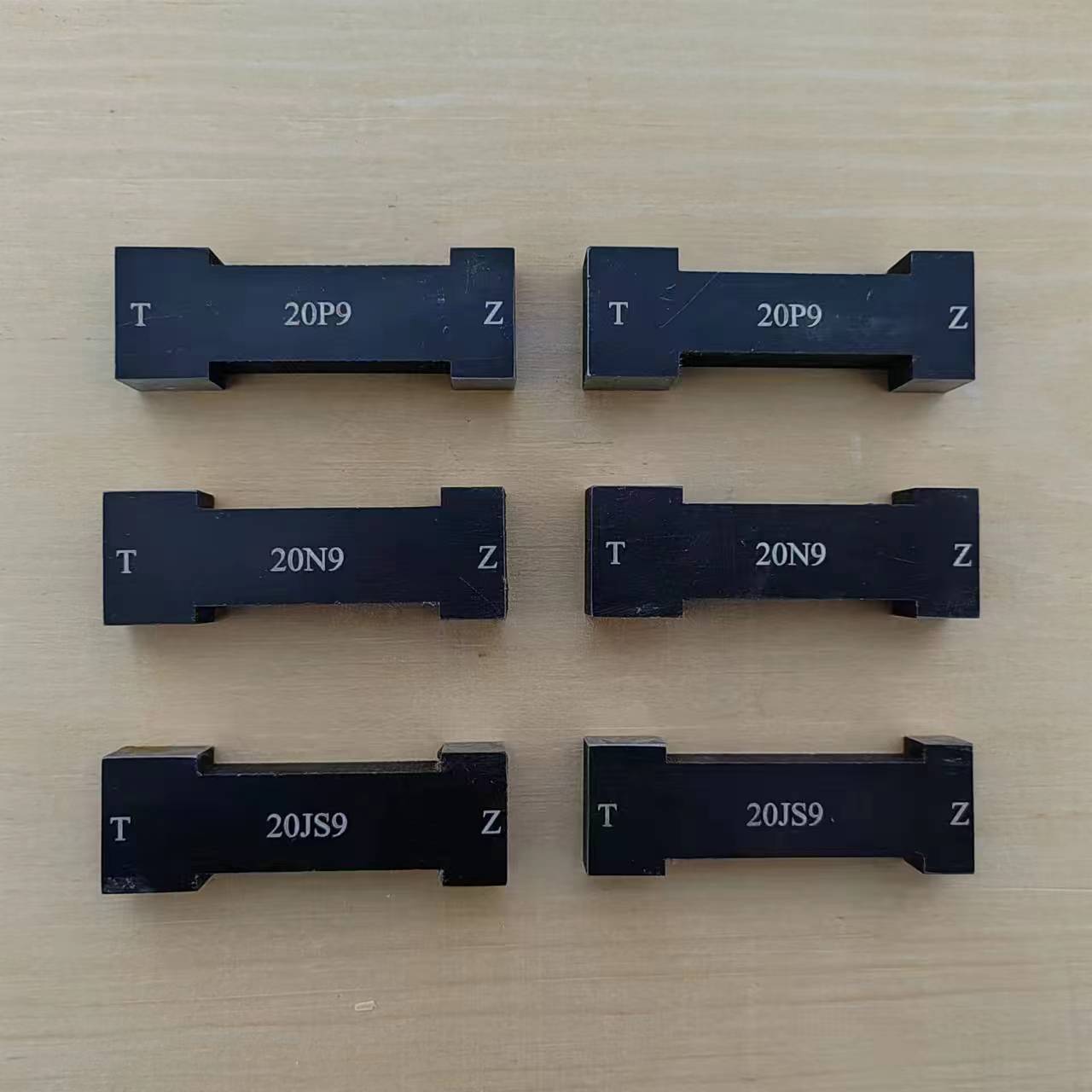
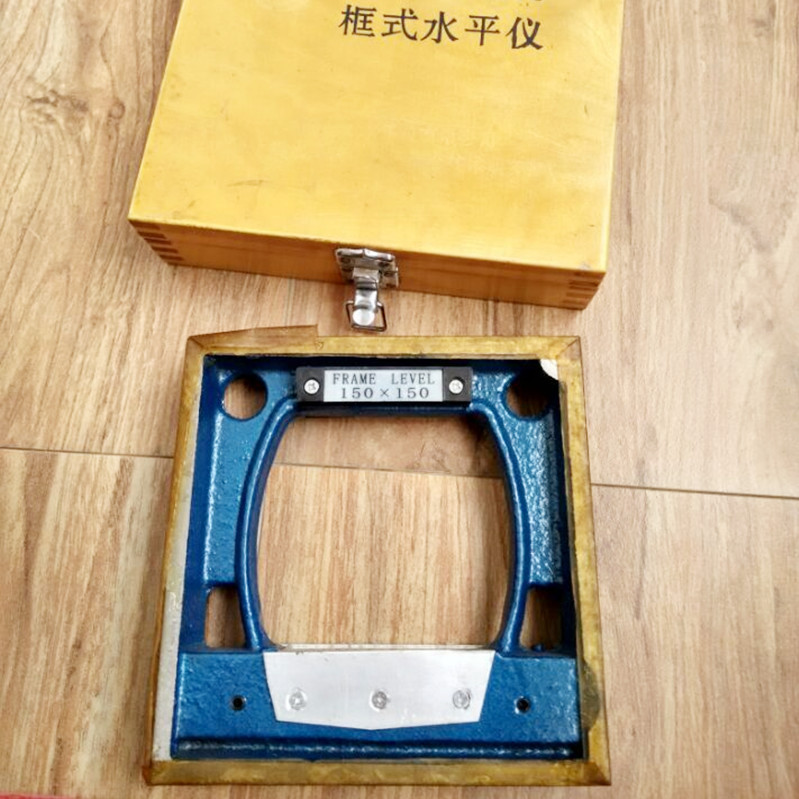
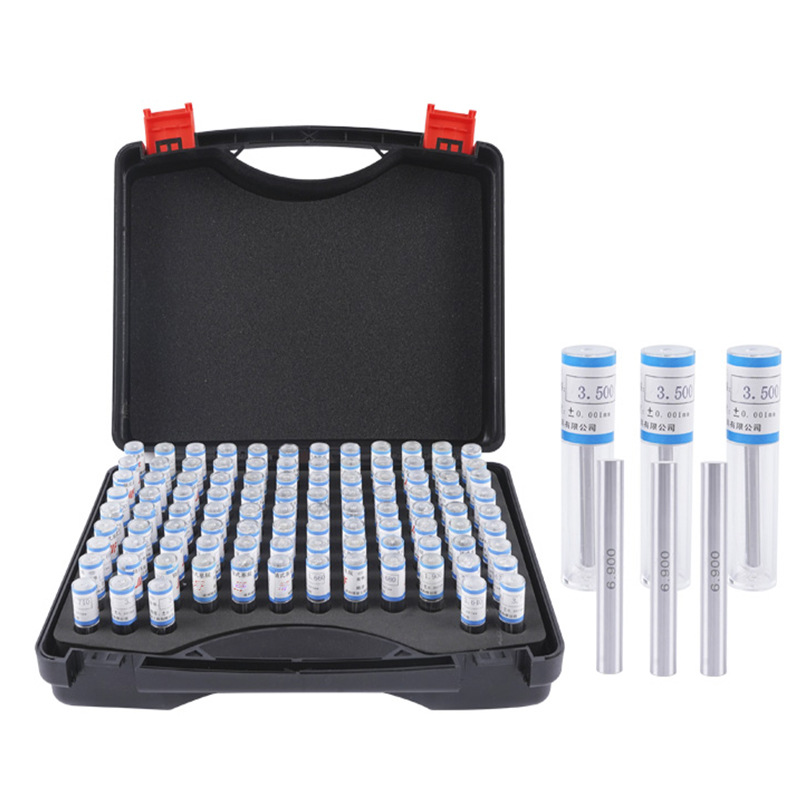
When it comes to achieving the highest level of accuracy and precision in any field, the gauge tool is indispensable. Whether you are in manufacturing, construction, or DIY projects, using the right tools to measure, mark, or inspect is crucial for success. This article will guide you through the different types of gauge tools that can help you achieve flawless results every time. We’ll dive into the importance of thread measuring gauges , differential gauges , and metal marking gauges , and how they can streamline your work process. Gauge Tool: The Essential Measurement Device A gauge tool is a versatile instrument used across many industries to measure or verify the dimensions and conditions of materials. These tools come in many shapes and sizes, depending on the task at hand. Whether you're measuring the thickness of a material, verifying the fit of a part, or checking the quality of a surface, gauge tools ensure your work meets the necessary standards. The gauge tool is especially useful in industrial settings, where precision is vital for producing high-quality products. Common examples include micrometers, calipers, and depth gauges, all of which help professionals make quick and accurate measurements. The reliability and ease of use of these tools help to reduce errors in production, which is why they are an essential part of any toolkit. Whether you're in a factory or a workshop, having the right gauge tool can significantly improve your efficiency and the quality of your work. Thread Measuring Gauge: Ensuring Accurate Thread Measurements For any project involving threaded materials, using a thread measuring gauge is essential. This specialized tool is designed to measure the pitch, form, and depth of threads on bolts, screws, and other threaded fasteners. Thread measuring gauges are indispensable for ensuring that the threads conform to required specifications and standards, preventing issues such as mismatched threads or weakened joints that could lead to equipment failure or safety risks. The primary function of a thread measuring gauge is to check the pitch and diameter of the threads, which is crucial when working with high-precision machinery or performing repairs on critical systems. These tools can be used to identify defective threads, ensuring that only parts with the proper threading are used in the final product. Whether you're in aerospace, automotive, or manufacturing, a thread measuring gauge helps maintain the quality and safety of threaded components. There are different types of thread measuring gauges available, including pitch gauges, thread rings, and thread plugs, each serving a unique purpose in ensuring thread quality. Selecting the correct thread measuring gauge for your specific needs will help you maintain the highest standards of precision and efficiency. Differential Gauge: Monitoring Pressure Differences A differential gauge is a crucial tool in environments where the pressure difference between two points needs to be measured. These gauges are typically used in industries such as HVAC, automotive, and chemical processing, where knowing the pressure differential between two locations can indicate important conditions like filter clogging, pump performance, or fluid flow. The differential gauge operates by measuring the difference between two pressures and providing a reading that can help operators make adjustments to the system. These gauges are incredibly useful in ensuring the safe and efficient operation of equipment, preventing potential damage or failures. For example, in HVAC systems, a differential gauge can be used to measure the pressure difference across a filter, helping technicians identify when it’s time to replace or clean the filter. In addition to their practical applications, differential gauges come in a variety of styles, including mechanical, digital, and differential pressure switches. Choosing the right differential gauge for your needs will ensure that you have the most accurate readings, allowing for optimal system performance. Metal Marking Gauge: Accuracy in Marking for Metalworking When it comes to metalworking, accuracy is critical. Whether you're cutting, drilling, or shaping metal parts, the ability to make precise marks is essential for ensuring the finished product meets exact specifications. A metal marking gauge is an invaluable tool that allows workers to measure and mark materials with a high degree of accuracy. A metal marking gauge is typically used to create reference lines or marks on metal surfaces, such as when measuring the thickness of a piece or aligning holes for drilling. The sharp, durable point of the metal marking gauge ensures that the marks are clear and precise, which can greatly improve the quality of the finished product. Whether you’re working with steel, aluminum, or any other metal, a metal marking gauge helps ensure that every cut, bend, or hole is in the correct location. These gauges come in different designs, from simple scribing tools to more sophisticated marking tools that include adjustable settings for different measurements. The versatility of the metal marking gauge makes it an essential tool in metalworking workshops, ensuring that every project meets the required standards for both form and function. FAQs about Gauge Tools What is a gauge tool used for? A gauge tool is used to measure or verify dimensions, shapes, or conditions in various materials. These tools are commonly used in industrial, mechanical, and construction applications to ensure that materials and components meet required specifications. Why should I use a thread measuring gauge? A thread measuring gauge ensures the accuracy and quality of threaded fasteners, such as bolts and screws. It helps you verify the pitch, form, and depth of the threads to ensure proper fit and functionality, preventing issues like thread mismatches or weak connections. What is a differential gauge and when should I use it? A differential gauge measures the pressure difference between two points in a system. It is used in various industries, including HVAC and chemical processing, to monitor pressure differences and detect system inefficiencies or issues like clogged filters or faulty pumps. How does a metal marking gauge improve metalworking? A metal marking gauge is used to create precise marks on metal surfaces, improving accuracy in measurements and cuts. By marking materials accurately, it ensures that every component is manufactured to specification, reducing the chances of errors in metalworking projects. Where can I buy high-quality gauge tools? You can find high-quality gauge tools at specialized tool suppliers or online marketplaces. Whether you need a thread measuring gauge , differential gauge , or metal marking gauge , there are a wide range of options available to suit different needs and applications. Ensure that you choose a reliable supplier that offers durable, accurate tools to enhance your work. If you’re looking to take your precision work to the next level, our range of gauge tools is perfect for professionals and hobbyists alike. Explore our thread measuring gauges , differential gauges , and metal marking gauges , designed to improve accuracy and efficiency in every project. Visit our website today to browse our selection and find the perfect tool to meet your needs. Whether you're in manufacturing, construction, or metalworking, our high-quality tools will help you achieve superior results every time. Don’t miss out – shop now!
about
glass panels for sale
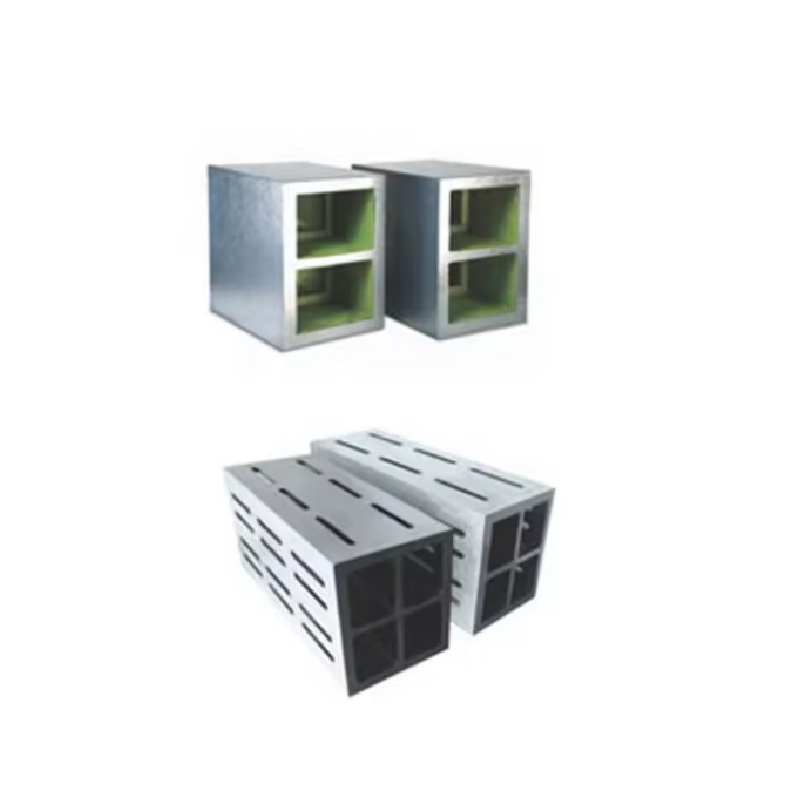
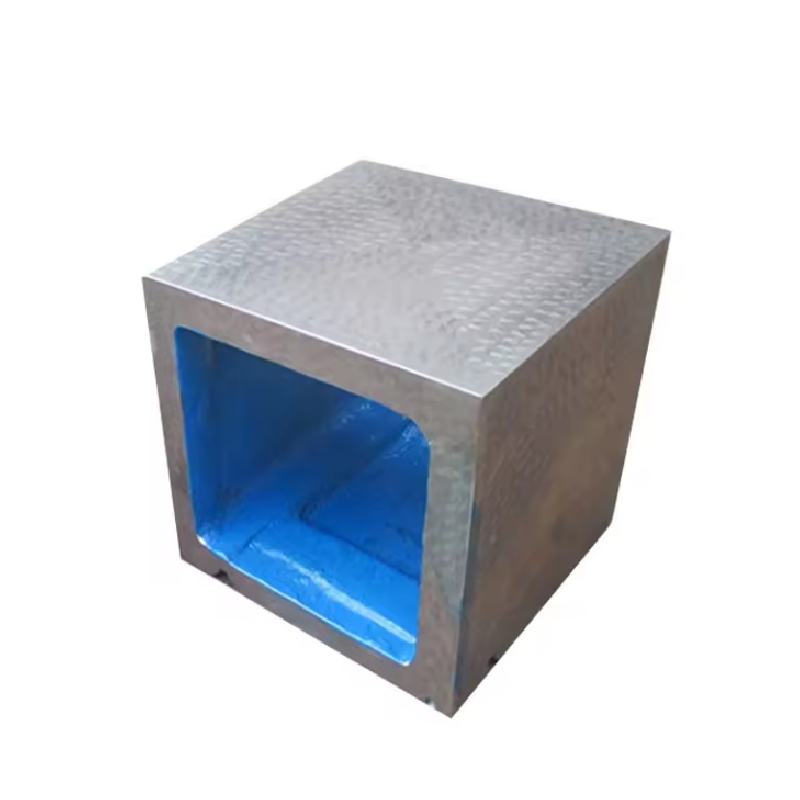
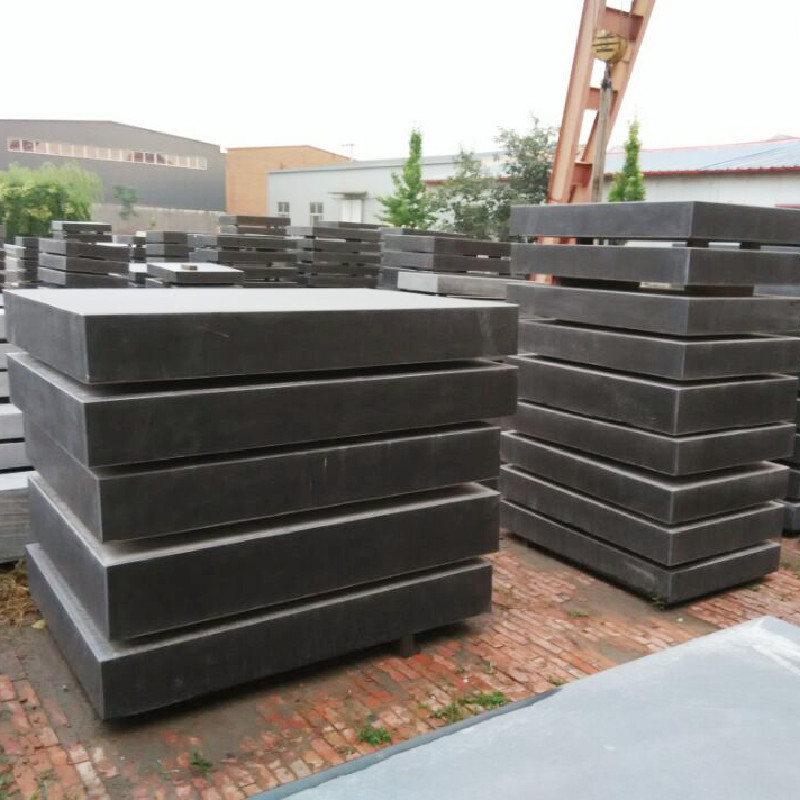
Understanding Metal Fabrication Tables A Comprehensive Overview In the world of manufacturing and engineering, metal fabrication plays a crucial role in creating components and structures that are integral to various industries. At the heart of most fabricating operations lies the metal fab table, an essential piece of equipment designed to enhance precision and efficiency in metalworking processes. This article delves into the importance, features, and applications of metal fabrication tables, illustrating their significance in modern manufacturing. What Is a Metal Fabrication Table? A metal fabrication table is a flat, sturdy surface used as a workspace for cutting, welding, assembling, or shaping metal parts . Typically made from high-strength materials such as steel, these tables are designed to withstand heavy loads while providing a stable and level surface for operators. The design of a metal fab table often includes features like T-slots for clamping, integrated measuring systems, and sometimes even built-in storage for tools and accessories. Key Features of Metal Fab Tables 1. Durability and Strength Given the demanding nature of metalworking, fabrication tables are built to endure significant wear and tear. The use of thick, heavy-duty steel ensures that the table can accommodate heavy materials and withstand strong impacts without warping or bending. 2. Modularity Many metal fabrication tables are modular, allowing for adaptability according to specific projects. This includes the addition of extensions, clamps, and other accessories that can be tailored to different tasks, making the table versatile for various applications. 3. Precision and Accuracy The flatness and levelness of a fabrication table play vital roles in achieving accurate results. Many manufacturers use precision machining to ensure that the surface is perfectly flat, which is critical for operations such as welding and assembly that require tight tolerances. 4. Customizable Options Different industries have varying requirements, prompting the creation of customizable fab tables. Users can select specific dimensions, surfaces, and features to meet their unique project needs, including height adjustments for ergonomic benefits. metal fab table Applications of Metal Fabrication Tables Metal fabrication tables are utilized across a wide range of industries, from automotive and aerospace to construction and art. 1. Automotive Industry In this fast-paced sector, metal fab tables are used for assembling vehicle frames, engine parts, and other components. Precision is paramount, as automotive safety standards demand flawless construction. 2. Aerospace Sector Here, the stakes are even higher. Fabrication tables assist in the manufacturing of lightweight structures that must meet strict regulatory and performance criteria. 3. Construction Metal fabrication tables allow contractors to pre-assemble structural elements for buildings, such as steel beams and trusses. Efficient assembly on-site means faster completion times and reduced labor costs. 4. Art and Sculpture Beyond traditional manufacturing, artisans often employ metal fabrication tables to create intricate sculptures and art pieces. The stability and flexibility of these tables facilitate creativity in metalworking. Conclusion In summary, metal fabrication tables are indispensable tools in the metalworking industry, providing the foundation for precision, efficiency, and creativity. As technology continues to evolve, we can anticipate further innovations in the design and functionality of these tables, making them even more valuable to craftsmen and manufacturers alike. Embracing advancements in metal fabrication technology ensures that industries remain competitive and capable of meeting the ever-growing demands of consumers.
-

High quality industrial productsagement

High quality industrial products
View Details -

Meet the diverse needs of customers

Meet the diverse needs of customers
View Details -

Strict quality control

Strict quality control
View Details -

Top raw materials

Top raw materials
View Details -

Trusted supplier

Trusted supplier
View Details
Our application
news and information

water check valve 3 4
Understanding Water Check Valves The Importance of Models 3 and 4 Water check valves are essential c
Wasserdrückregelventil - Effiziente Steuerung für Ihre Wasserversorgung
Druckregelventile für Wasseranwendungen Druckregelventile spielen eine entscheidende Rolle in der Wa

Verificación de roscas con calibres Go y No Go en mediciones de calidad
Uso de calibres de rosca tipo Go y No-Go en la industria En la fabricación y mantenimiento de compon
 English